When a storm knocks out power to your Jacksonville home, your generator transfer switch becomes the most critical component between darkness and restored electricity. Many homeowners invest in backup generators without fully understanding how the transfer switch operates, yet this device is what makes the entire system safe and functional. At Powerhound Electrical Solutions, we are locally owned and operated serving Jacksonville NC and Eastern North Carolina, and we want every homeowner to understand why generator transfer switches deserve serious attention.
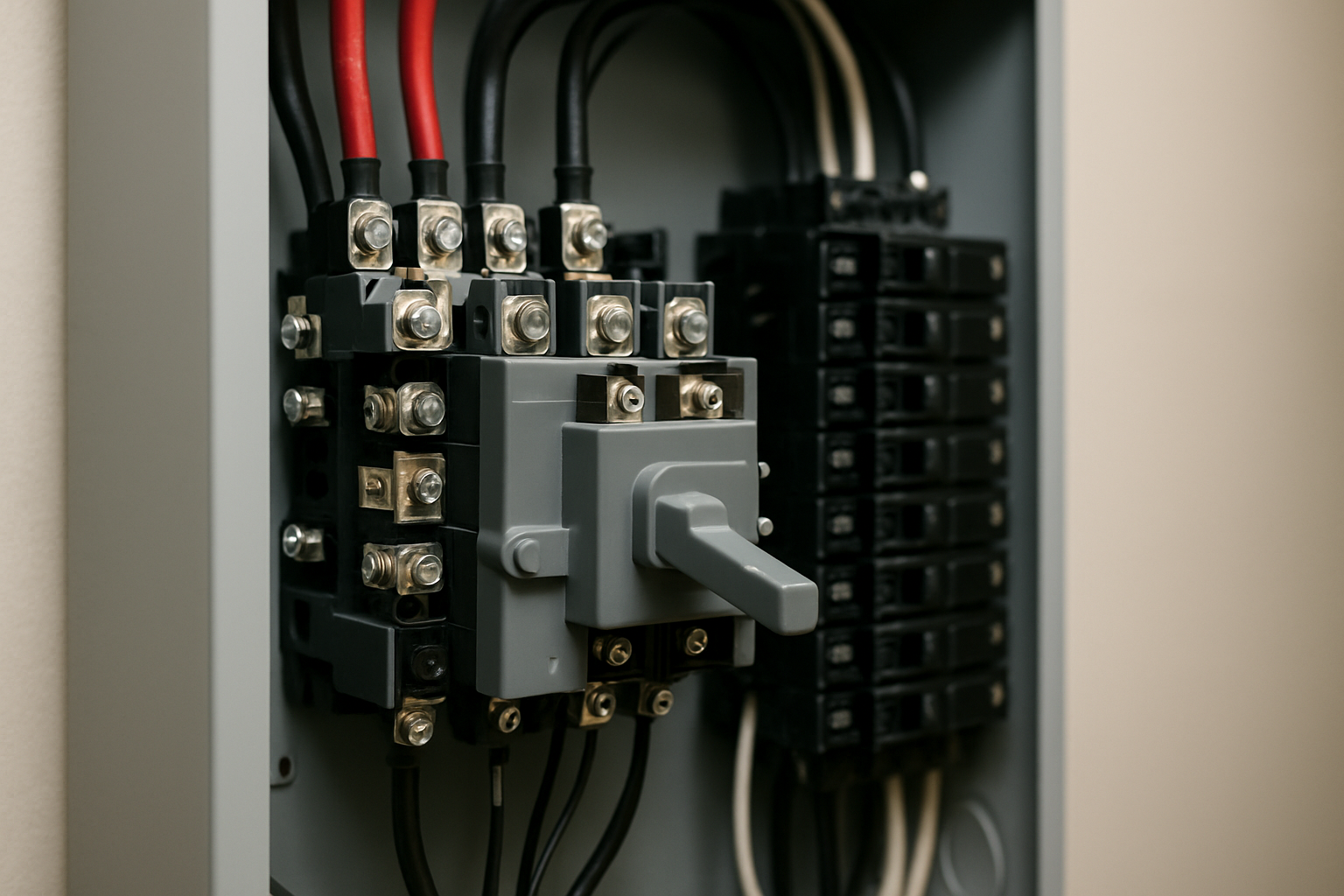
A generator transfer switch serves as the traffic controller between your utility power and your backup generator. When grid power fails, this device disconnects your home from the utility lines and connects it to generator power instead. This separation is not optional or merely convenient—it is a life-saving requirement. Without a properly installed transfer switch, electricity from your generator could backfeed into utility lines, potentially electrocuting line workers attempting to restore power to your neighborhood. The National Fire Protection Association emphasizes that transfer switches must meet strict electrical codes to prevent such dangerous backfeeding scenarios (https://www.nfpa.org/codes-and-standards).
There are two primary types of generator transfer switches that we install throughout Eastern North Carolina. Manual transfer switches require the homeowner to physically flip the switch when power goes out, directing electricity from the generator to selected circuits. Automatic transfer switches detect power loss within seconds and seamlessly shift your home to generator power without any action required. For families with medical equipment, home offices, or refrigerated medications, automatic transfer switches provide peace of mind during hurricane season and unexpected outages.
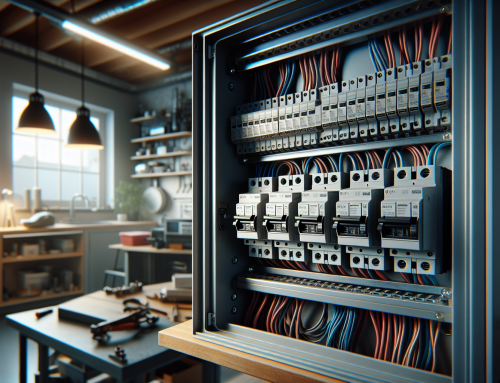
The installation of a generator transfer switch involves precise electrical work that connects directly to your main electrical panel. This is not a project for weekend warriors or handyman enthusiasts. Improper installation can result in house fires, damaged appliances, voided homeowner insurance, or fatal electrical accidents. North Carolina requires licensed electrical contractors to perform this work, and local inspections ensure compliance with state and national electrical codes. The NC Department of Insurance provides resources for homeowners regarding electrical safety standards and contractor licensing requirements (https://www.ncdoi.gov).
We frequently encounter homes where previous owners attempted generator connections without transfer switches, using extension cords or illegal panel modifications. These shortcuts create serious fire hazards and code violations that can affect home sales and insurance coverage. A properly sized and installed generator transfer switch eliminates these risks while ensuring your backup power system operates exactly as intended during emergencies.
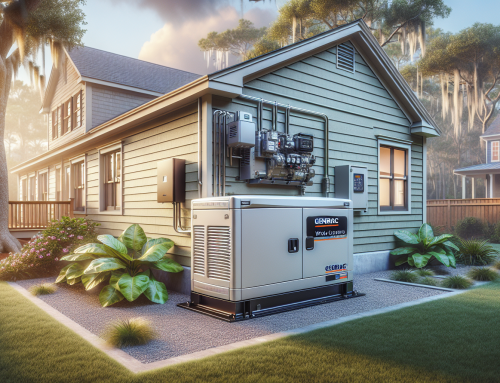
Our team at Powerhound Electrical Solutions evaluates your specific electrical load requirements before recommending transfer switch options. We consider which circuits need backup power, your generator capacity, and your family’s priorities during outages. As Generac-certified contractors, we install transfer switches that integrate perfectly with whole-home generators and meet all manufacturer specifications for warranty protection.
Protecting your family during power outages starts with proper equipment installed by licensed professionals. If you are considering a backup generator or need your existing transfer switch inspected, we are here to help. Call Powerhound Electrical Solutions today at (910) 296-3536 to schedule a consultation and ensure your home backup power system keeps your family safe.