
As electric vehicles become increasingly popular across Eastern North Carolina, many homeowners wonder whether their existing electrical system can handle the demands of home charging. Understanding how EV charging station installation works with your home electrical panel is essential before making this investment, and we want to help you navigate this process with confidence.
At Powerhound Electrical Solutions, we are locally owned and operated serving Jacksonville NC and Eastern North Carolina, and we have seen firsthand how proper planning makes all the difference in successful EV charger installations. The relationship between your charging station and electrical panel is more complex than simply plugging in a new appliance, which is why professional assessment and installation are absolutely critical for safety and performance.
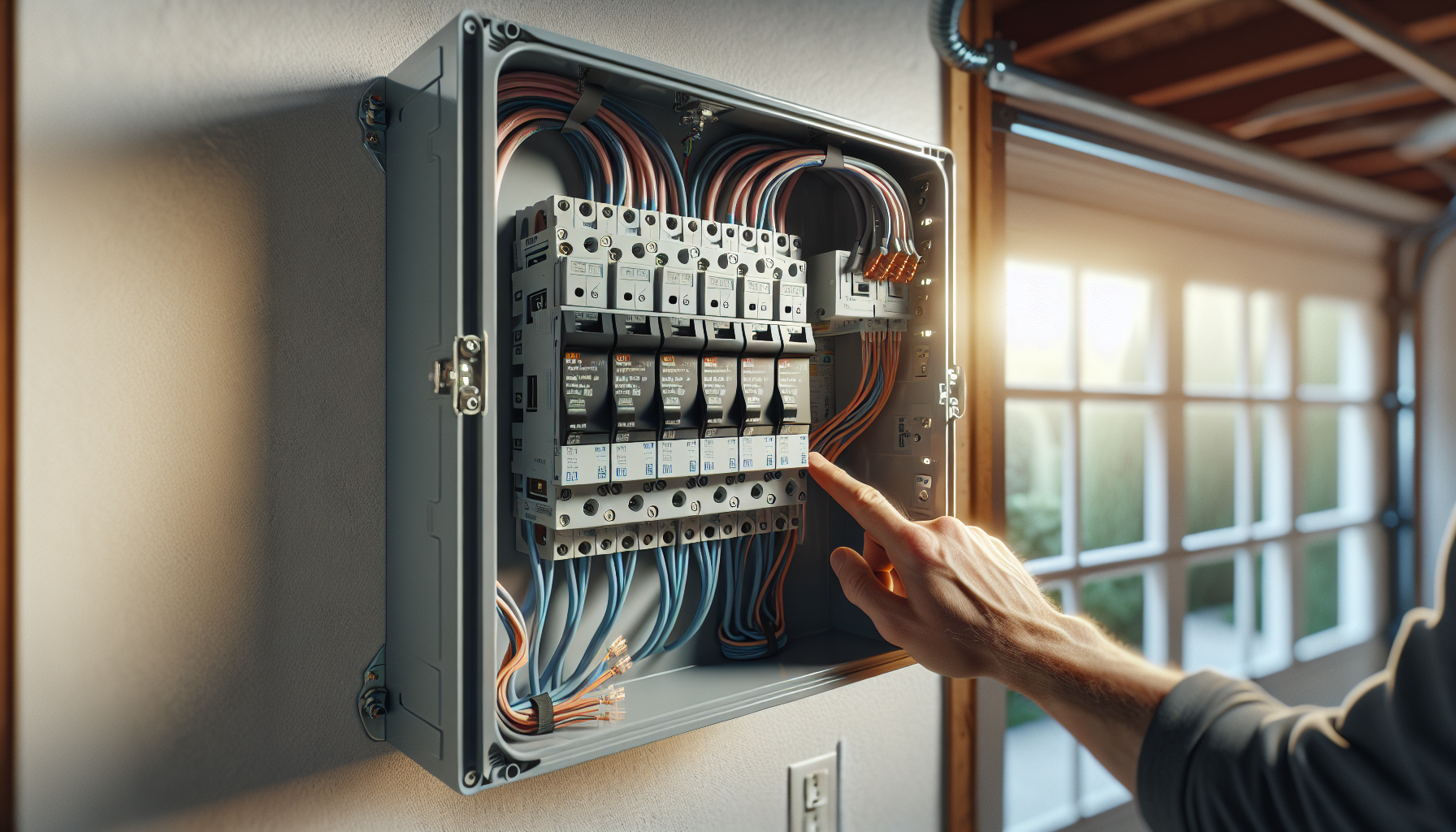
Your home electrical panel serves as the central hub distributing power throughout your property. Most homes in our area have panels rated between 100 and 200 amps, and a Level 2 EV charging station typically requires a dedicated 240-volt circuit drawing 30 to 50 amps. This substantial power demand means your panel must have adequate capacity and available space for a new double-pole breaker. According to the National Fire Protection Association, improper electrical installations remain a leading cause of residential fires, making professional evaluation non-negotiable when adding high-demand circuits like EV chargers.
During our initial assessment, we examine your panel’s total amperage capacity, calculate your current electrical load, and determine whether your system can safely accommodate EV charging station installation without compromising other circuits. Many older homes in Jacksonville and surrounding communities were built when electrical demands were significantly lower, meaning panel upgrades are sometimes necessary before charger installation can proceed safely.
The installation process itself involves several precise steps that require licensed expertise. We first determine the optimal charger location, considering proximity to your parking area and the distance from your electrical panel. Longer wire runs require heavier gauge wiring to prevent voltage drop, which affects charging efficiency and safety. We then install the dedicated circuit with appropriate wire sizing, typically 6-gauge or 8-gauge copper conductors protected by conduit when running through exposed areas. The North Carolina Department of Labor oversees electrical licensing requirements in our state, ensuring that contractors like us meet rigorous safety and competency standards.
One critical consideration many homeowners overlook is their utility service connection. If your panel upgrade reveals that your main service from the utility company is insufficient, coordinating with your power provider becomes part of the project scope. We handle these communications and permit requirements so you do not have to navigate the bureaucratic process alone.
Proper grounding and circuit protection complete the installation, safeguarding both your vehicle and your home from electrical faults. We also ensure your charger placement allows for safe cable management, preventing trip hazards and protecting the charging cable from environmental damage common in our humid coastal climate.
Attempting EV charging station installation without professional assistance poses serious risks including electrical fires, damaged vehicle charging systems, and code violations that could affect your homeowner’s insurance coverage. This is specialized work that demands expertise and proper permitting.
When you are ready to bring convenient home charging to your property, contact Powerhound Electrical Solutions at (910) 296-3536. Our team will evaluate your electrical panel, recommend the right solution for your needs, and complete your EV charging station installation safely and efficiently.


