
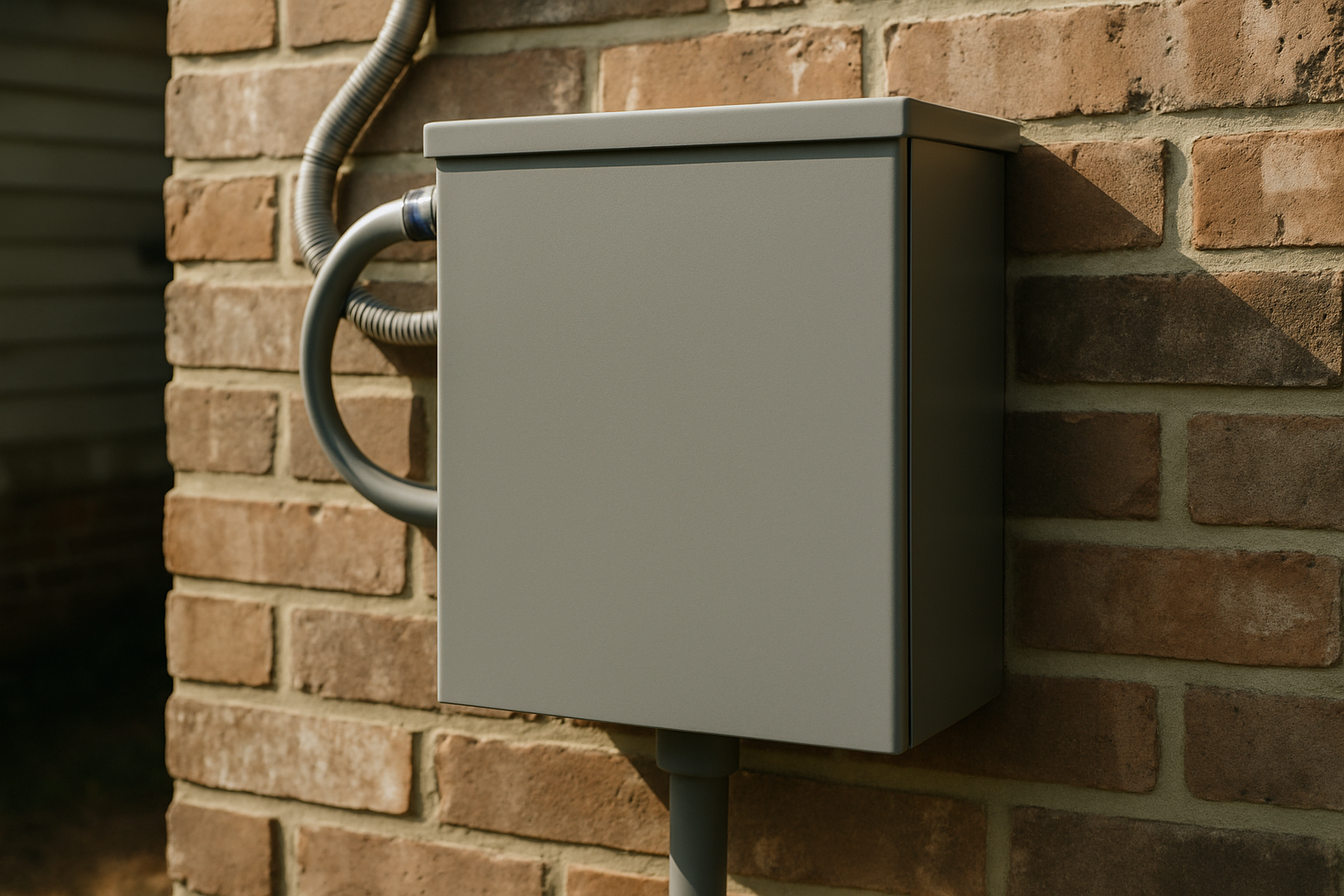
When the power goes out, your whole-home generator is only as reliable as the automatic transfer switch controlling it. As a locally owned and operated electrical contractor serving Jacksonville, NC and Eastern North Carolina, we want homeowners to understand why regular automatic transfer switch testing is one of the most overlooked — and most important — parts of generator ownership. A transfer switch that hasn't been properly maintained can fail at exactly the wrong moment, leaving your home without power during a storm or extended outage.
An automatic transfer switch, commonly called an ATS, is the component that detects a utility power loss and signals your generator to start, then seamlessly switches your home's electrical load from the grid to generator power. When utility power is restored, the ATS transfers the load back and shuts the generator down. This switching process happens within seconds, but it depends on mechanical and electronic components that can degrade over time if they aren't regularly inspected and exercised.
Testing your automatic transfer switch isn't simply a matter of running your generator for a few minutes. A proper ATS test involves verifying that the switch responds correctly to a simulated power loss, confirming that the transfer happens within the specified time delay, checking that all contacts are clean and making solid connection, and ensuring there are no error codes or fault conditions stored in the control board. For Generac systems — which we install and service as a Generac-certified contractor — the onboard controller can be used to initiate a test cycle, but interpreting the results and catching subtle issues requires a trained technician. The National Fire Protection Association's NFPA 110 standard, which governs emergency and standby power systems, recommends monthly exercising of transfer switches and annual load testing conducted by qualified service personnel. You can review those guidelines directly at NFPA 110.
In North Carolina, generator installations and the associated electrical work — including transfer switch installation, testing, and replacement — must be performed by a licensed electrical contractor in compliance with the North Carolina State Building Code and applicable NEC standards. Homeowners should never attempt to open, bypass, or manually operate a transfer switch without proper training. The voltages involved are lethal, and an improperly operated switch can backfeed power onto utility lines, creating a serious hazard for utility workers and neighbors. The North Carolina Department of Insurance, which oversees building code enforcement in the state, is a helpful resource for understanding what work requires a licensed contractor: NC Department of Insurance Building Codes.
Fall is actually a smart time to schedule your ATS inspection. As Eastern North Carolina transitions out of peak hurricane season, having a professional verify your system's readiness before winter weather arrives ensures you won't be caught unprepared. Nor'easters, ice storms, and prolonged cold snaps can all cause extended outages in our region, and a generator system that hasn't been tested in months may not respond the way you expect.
We also encourage homeowners to think about their transfer switch testing as part of a broader generator maintenance plan. Routine service visits allow our technicians to check not only the ATS but also battery condition, oil level, coolant, spark plugs, and fuel system integrity — everything that determines whether your generator will actually start and run when you need it most.
If you're unsure when your automatic transfer switch was last professionally tested, or if your generator system is due for its annual service, we're ready to help. Call Powerhound Electrical Solutions today at (910) 296-3536 to schedule a generator inspection or transfer switch test with our Generac-certified team. We're proud to serve Jacksonville, NC and all of Eastern North Carolina with the reliable, expert service your family deserves.